Medical
Guided Care Helping To Achieve Balance
Goal Setting
Relationship Coaching
Stress Management
Medical
Medical Combined With Therapy
How Medical and Therapy Work Together…
At Personal Growth Counseling, we understand that true healing involves a holistic approach. That’s why we offer a comprehensive blend of psychotropic medication management and therapy services to guide you towards lasting well-being. We have three board-certified Psychiatric Nurse Practitioners on staff who work closely with our therapists to create an individualized plan of care for our clients. Psychotropic medication, when combined with psychotherapy, can offer significant benefits for individuals dealing with mental health conditions. Mental health conditions often have complex underlying causes, including biological, psychological, and environmental factors. The combined approach of medication and psychotherapy addresses these multifaceted aspects, providing a more comprehensive and holistic treatment plan.

Achieving Balance
Many mental health conditions involve imbalances in neurotransmitters or other neurochemicals in the brain. Psychotropic medications work by restoring balance to these chemicals, which can lead to improved mood, reduced anxiety, and enhanced overall mental well-being. Some mental health conditions can make it challenging for individuals to fully engage in psychotherapy due to severe symptoms or cognitive impairments. Psychotropic medications can help alleviate these barriers, making it easier for individuals to participate actively in therapy and derive greater benefit from the therapeutic process.
How It Works
Psychotropic Medication Plays A Crucial Role In Mental Healthcare And Can Be Important For Several Reasons:
1. Symptom management:Psychotropic medications are specifically designed to target and alleviate symptoms associated with various mental health conditions. They can help reduce symptoms such as depression, anxiety, hallucinations, mood swings, and cognitive impairments. By targeting the underlying neurochemical imbalances in the brain, these medications can provide relief and improve overall functioning.
2. Biological basis of mental illness: Many mental health conditions have biological underpinnings, involving imbalances in neurotransmitters or other neurochemicals in the brain. Psychotropic medications work by restoring
balance to these chemicals, which can alleviate symptoms and improve overall well-being. By addressing the biological aspect of mental illness, these medications can provide significant benefits to individuals in need.
3. Increased treatment effectiveness: For certain mental health conditions, the combination of psychotropic medication and psychotherapy has been found to be more effective than either treatment alone. Medication can help stabilize symptoms, allowing individuals to engage more effectively in therapy and derive greater benefit from the therapeutic process. It can also make therapy more accessible for individuals who may be unable to fully participate due to severe symptoms or cognitive impairments.
4. Crisis intervention: Psychotropic medications can be essential in managing acute psychiatric crises, such as severe depression, manic episodes, or psychotic symptoms. They can help quickly stabilize an individual’s condition, provide immediate relief, and prevent potential harm to themselves or others. In emergency situations, these medications can be life-saving and provide a critical bridge to further treatment.
5. Long-term management: For individuals with chronic mental health conditions, ongoing medication management may be necessary to maintain stability and prevent relapses. Psychotropic medications can help individuals manage their symptoms and improve their quality of life in the long term. They provide a foundation for stability while individuals engage in therapy, develop coping skills, and make necessary lifestyle changes.
Meet Our Providers…
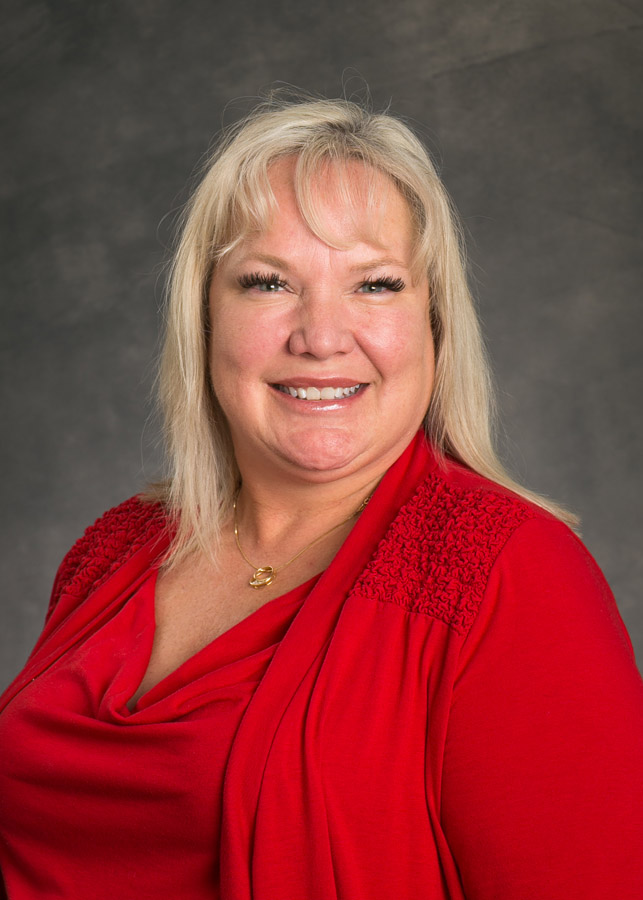
Elizabeth Rogers, PMHNP
Elizabeth is a 1996 graduate of Vanderbilt University. She has practiced in multiple settings over the past 26 years including outpatient, inpatient, crisis, and forensics. She is credentialed to see adults as well as children and adolescents. Her additional certifications include ANCC, EMDR trauma therapy and is a member of the Neuroscience Institute. Elizabeth started in Cookeville in 2018 and is grateful to be able to serve the Upper Cumberland region.